Hybrid Agro‑Districts
Municipalities are exploring food hubs that combine vertical farms, traditional greenhouses, and community gardens—spreading risk and diversifying crop calendars.-
Food‑Energy‑Water Nexus
Waste heat from data centers could warm greenhouses, while biogenic CO₂ streams can boost plant growth—creating symbiotic urban ecosystems. -
Policy & Incentives
Subsidies for renewable power, tax breaks for brownfield redevelopment, and inclusion in food‑security planning will be essential to scale vertical farming beyond niche operations. -
Technological Leapfrogging
Advances in low‑cost sensors, off‑grid power, and autonomous robotics promise to drive down costs. By 2030, analysts predict vertical farms could produce up to 5% of global leafy‑green supply in major cities
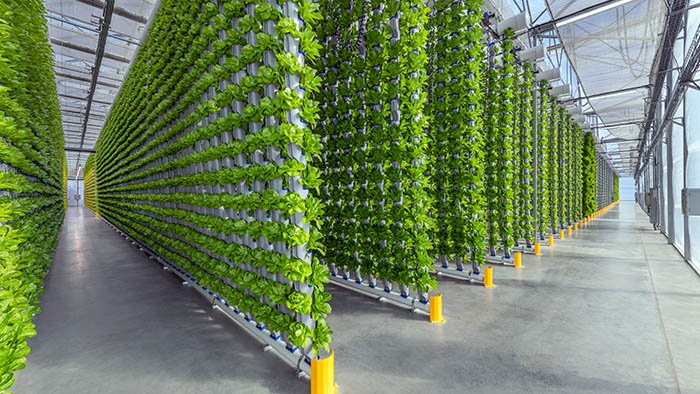
Vertical farming stands at the intersection of agriculture, architecture, and data science. While challenges around energy use and scale remain, the ability to grow fresh, nutritious food with minimal land and water—right in urban centers—offers a compelling vision for resilient, localized food systems. As costs decline and policies evolve, vertical farms may well become as ubiquitous to city skylines as office towers, helping feed tomorrow’s megacities sustainably.


No comments:
Post a Comment